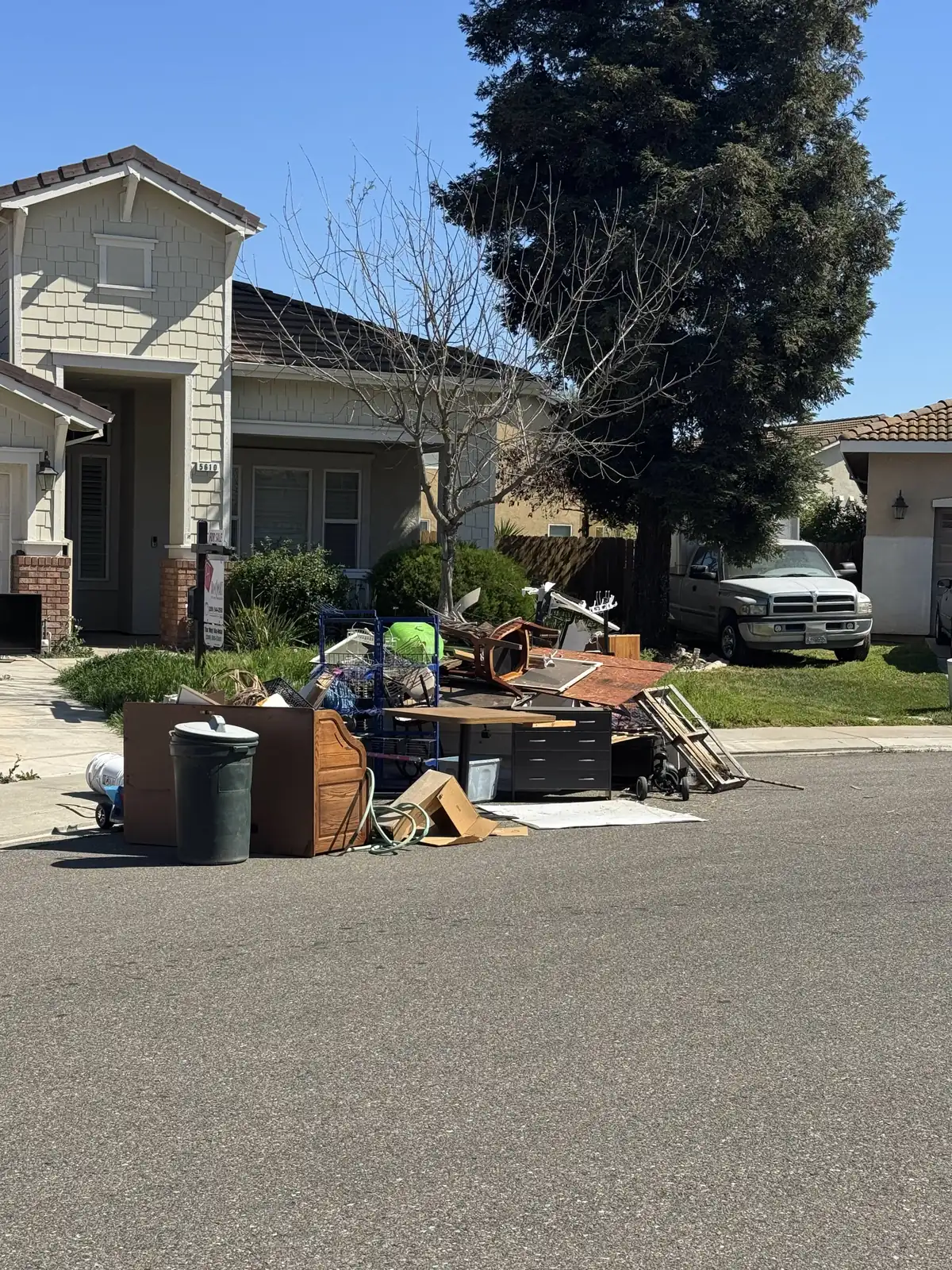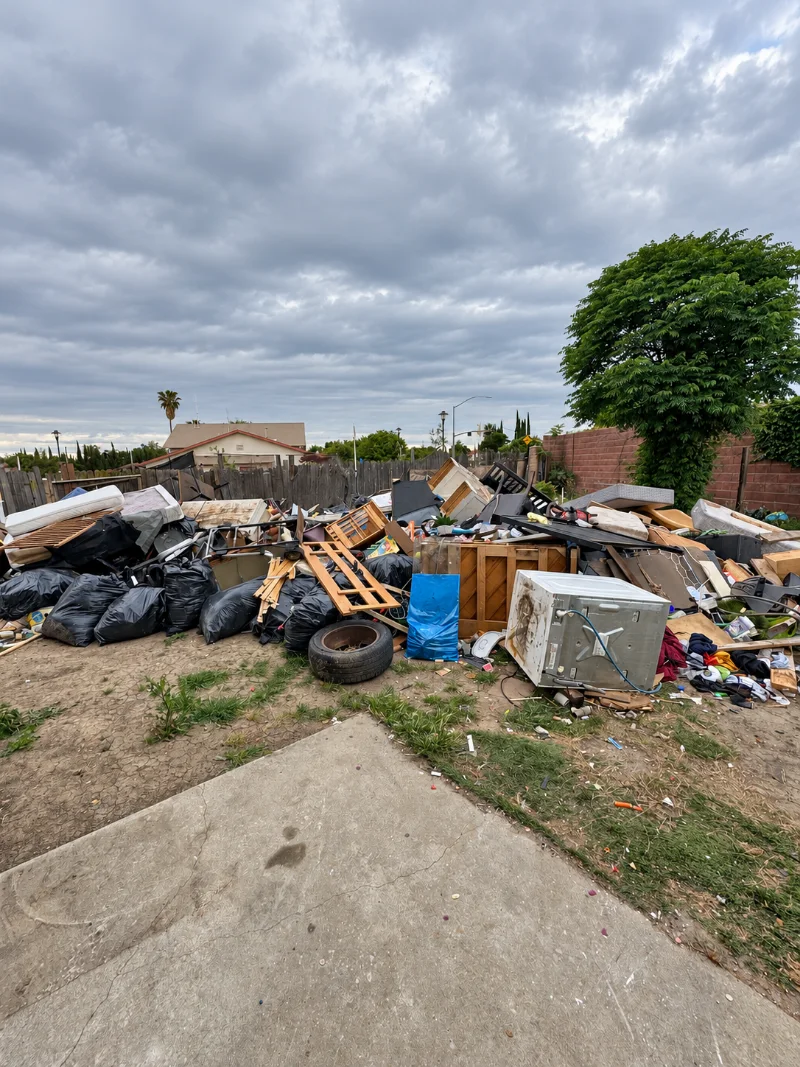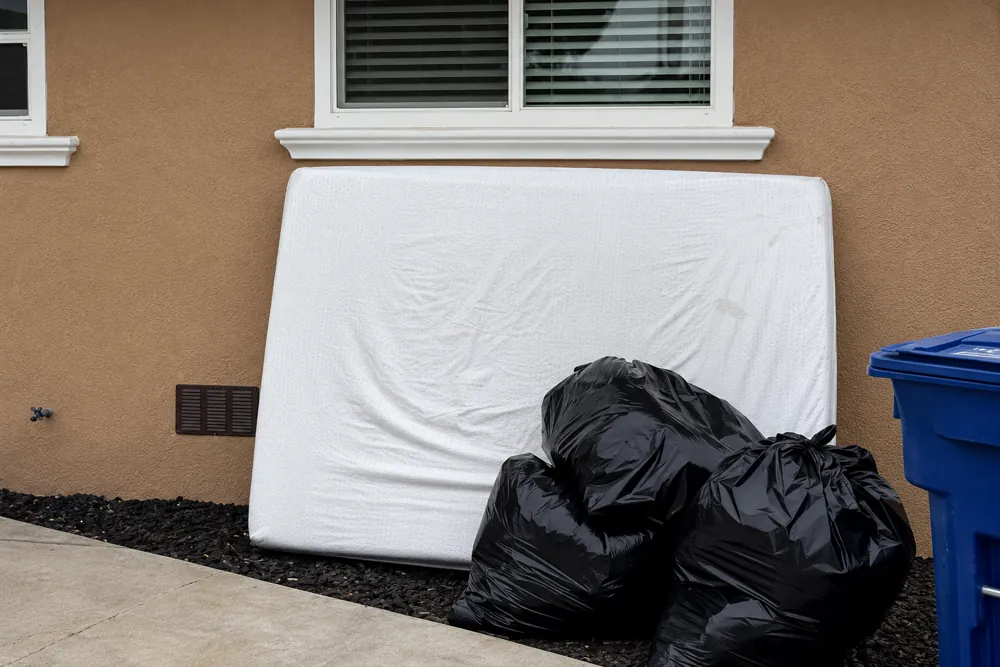
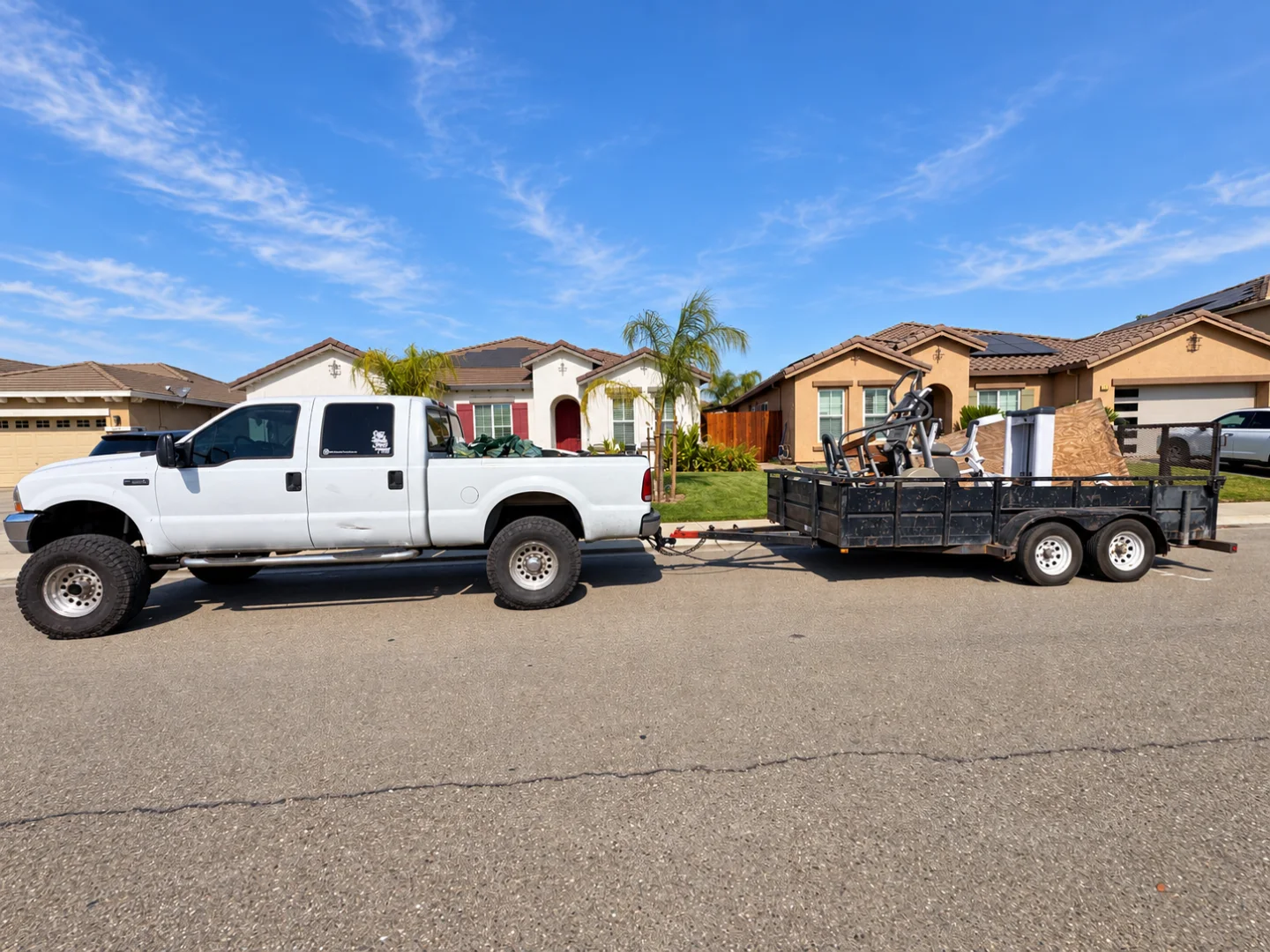
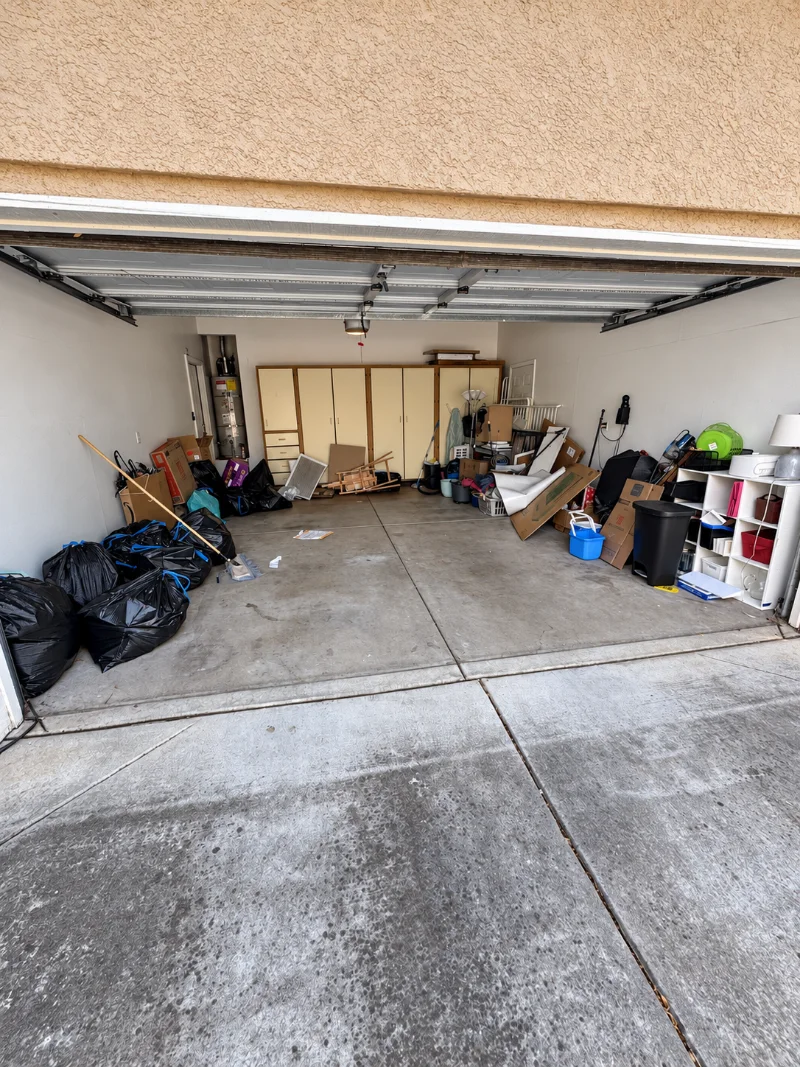
Begin with confirmed authority and a defined scope
This checklist covers the practical hauling stage after the property manager has established which items may be removed. Decisions about possession, former occupants’ belongings, notices or disposal rights belong with the owner’s established process and appropriate advisers. Give the hauling crew an approved scope, rather than asking them to decide who owns an item.
A useful scope identifies the property, the rooms or exterior areas involved, and what must remain. Be specific about appliances, fixtures, spare flooring, paint retained for maintenance and equipment owned by another contractor. A mostly empty unit can still contain valuable items that look like leftover material to someone arriving for the first time.
Create one removal list and one keep list
Walk the property once with the person responsible for approving the work. Record large items individually, then describe grouped loose material by location. Label photos with room names, such as kitchen, rear patio or detached storage. A short organized set is more useful than dozens of unlabelled images sent across several message threads.
Make the keep list equally visible. Note which refrigerator stays, whether a freestanding shelf belongs to the owner, and where replacement materials are stored. Give one named contact responsibility for approving changes. If the scope changes between quoting and arrival, send an updated list before the crew starts loading.
- Removal areas and item list, with photographs where helpful.
- Items and rooms excluded from the job.
- Authorized contact for scope or price changes.
- Desired completion date and the next contractor’s appointment.
- Access details, parking arrangement and on-site contact.
Plan the work in the order the property needs it
Hauling, repairs and cleaning affect one another. Removing bulky belongings may make a room accessible for inspection; later repair work may create a separate debris stream. Agree on whether you need one collection after all preparation is complete or a first cleanout followed by another clearly scoped visit.
Leave room in the schedule for discovery. A blocked shed may reveal a different amount of material once opened. An appliance may need attention from a qualified trade before it can be moved. Do not stack appointments so tightly that the next worker is waiting at the door for an unconfirmed hauling finish time.
Treat building access as part of the estimate
A third-floor apartment and a ground-level garage require different planning. Explain stairs, elevators, walking distances, parking restrictions and any building rules. Confirm who will open gates and provide entry. Where a property has several similar units, identify the correct doorway and collection area clearly to prevent confusion.
Avoid putting access codes or tenant information into public photos or social posts. Share operational details through the agreed private contact path. Ask how arrival and completion will be communicated if the manager is not on site, and decide who can answer questions when the original contact is unavailable.
Separate ordinary belongings from special materials
Flag chemicals, unidentified containers, electronics, damaged batteries and unusual building materials during the walkthrough. Describe them separately from furniture and bagged household clutter. The team needs to confirm what it can accept and whether another provider or collection program is appropriate.
Do not assume a household-only disposal option covers waste from a rental business. Stanislaus County’s hazardous-waste program distinguishes household access from qualifying business arrangements. Contact the relevant county program about its current requirements. For properties in San Joaquin County, use that county’s material directory and facility guidance rather than carrying over another jurisdiction’s rules.
Define completion before the appointment
Agree on what the hauling visit should leave behind: the approved items removed from the named areas, with any exclusions documented. Haul-away does not automatically include deep cleaning, repairs, pest treatment or utility work. Ask about any extra task directly so it can be included or arranged separately.
At handoff, compare the completed job with the scope and note anything remaining by agreement. Request the billing information your office needs before the visit rather than reconstructing it later. Affordable Transfer reviews commercial and property cleanout requests at (209) 353-2514. Share the location, item list, access details and timing so the team can propose the next step.